From Architecture to Belonging: A Spatial Designer's Journey into Community
A Kanazawa-born spatial designer on why she left architecture, how losing her pride during a gap year shaped her collaborative approach, and what belonging really means in cities.
By Sarah & Miu — Conversation recorded at Nutshouse, Kyoto
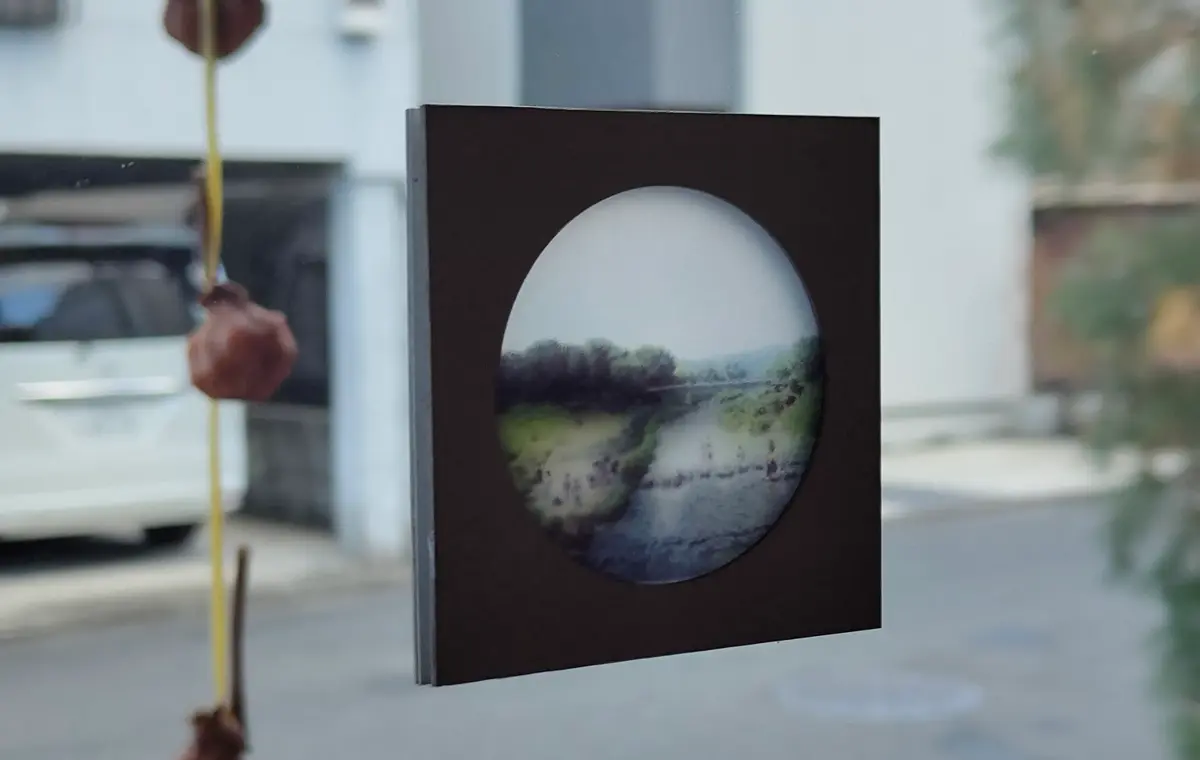
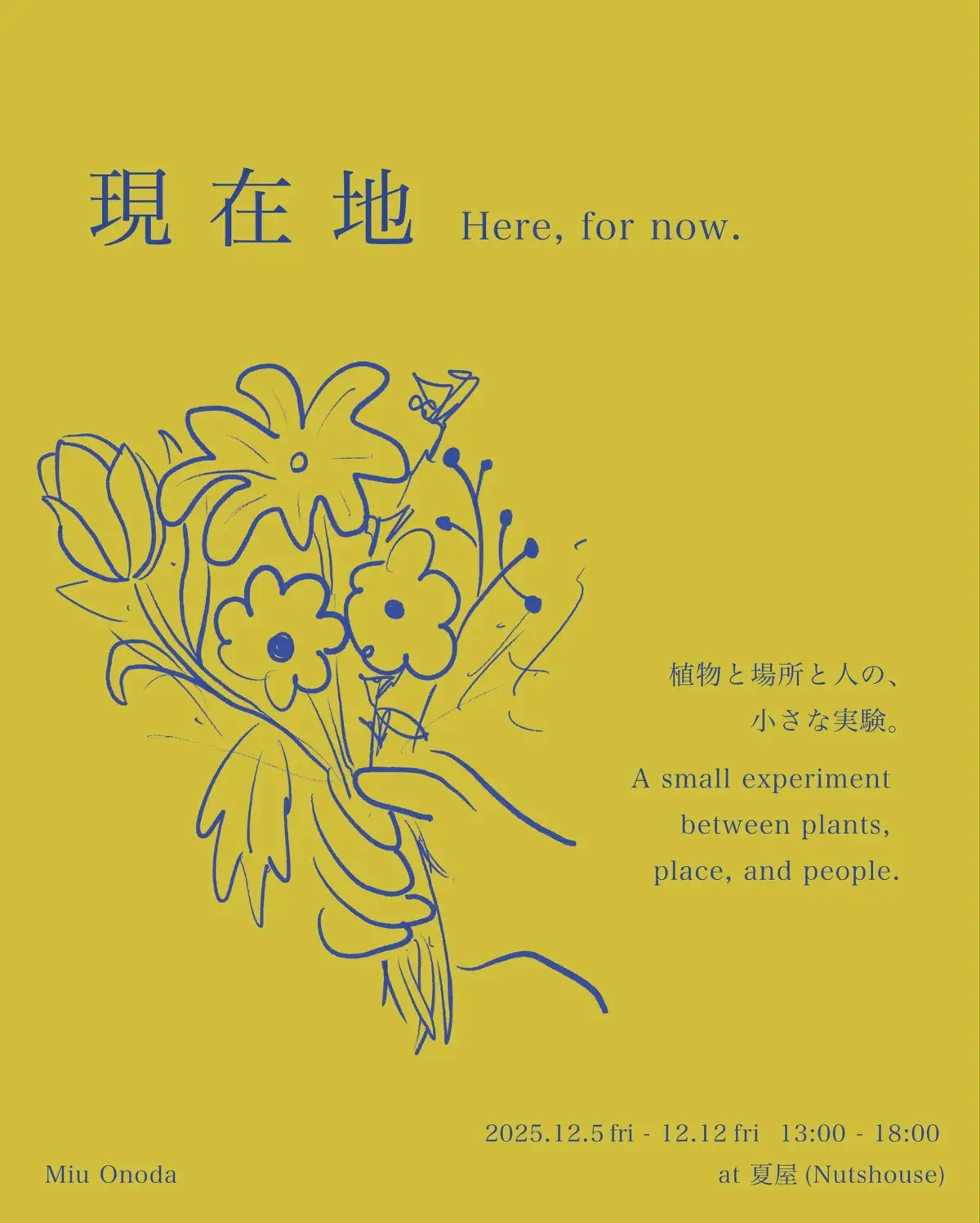
Miu Onoda, a spatial designer residing in Kyoto, organised the Here, For Now exhibition, creating a space where locals and visitors alike could interact casually through the exchange of plants and ideas. After a week of workshops and activities at the exhibition in Nutshouse, Sarah sits down with Onoda to talk about why she left architecture for spatial design, how losing her pride during a gap year shaped her collaborative approach, and what belonging really means in cities.
1.From Architecture to Spatial Design
Why did you leave architecture?
I was interested in cities and community-making, not buildings. Studio-based architectural design felt repetitive and disconnected from how people actually live. I realised I didn't need to be an architect—I could collaborate with specialists when needed.
2.Where the Interest in Cities Began
When did you first get interested in urban life?
Growing up in Kanazawa, I biked daily from the seaside to the mountains, passing through the city centre. I'd see people relaxing by the river, chatting in small shopping streets. I was never drawn to big commercial spaces—it was the small shops and personal relationships that stuck with me.
3.The Path Wasn't Linear
Did you always want to study design?
No. Before my gap year, I wanted to study forest science—I loved mountains and plants. During that year, design started to feel right. It wasn't one clear decision; my interests gradually converged.
4.What Undergraduate Research Taught Her
What stood out from your early research?
I focused on workplace design, running workshops to define work styles before designing physical offices. The surprise: people I assumed were rigid—city hall employees—were actually deeply motivated and proud of their work. External facilitation helped them rediscover that.
5.Design Philosophy
How do you approach urban design?
I'd rather draw out what's already there than radically transform things. I'm not a dominant leader—I rely on others' strengths. That approach naturally turns people into active participants, which I think is healthier for communities.
6.The Skill of Involving Others
You're good at bringing people in. Where does that come from?
Losing my sense of pride during my gap year. Being socially "in-between" taught me I couldn't do everything alone. Since then, I've focused on combining my efforts with others' strengths rather than leading forcefully.
7.Photography Practice
What do you aim to capture?
Unposed, unconscious moments—people walking, resting, cooking. I'm drawn to human behaviour. Photography is more record than artwork for me. I don't like explaining my photos, and traditional exhibitions don't suit me. I prefer formats like zines where people engage at their own pace.
8.Photography vs Design
Is photography your main focus?
It's a strength and a tool for attracting people, but not the end goal. My real interest is creating spaces and exhibitions that get local people to engage with their city in more active, personal ways.
9.The Exhibition Title: "I think we get lost"
Where did that come from?
It reflects a shared uncertainty about the future between me and a close friend. We decided to create periodic exhibitions capturing our "present moments," even if we're in different places. Each one is a snapshot of where we are in life at that time.
10.Vision for Public Space
What kind of city would you like to see?
One where public spaces are everyday options—places people casually choose when they have free time. Public spaces belong to everyone, which means rules, but too many restrictions make them unusable. I'm interested in how they can become more welcoming.
11.Current Research: Belonging
What are you researching now?
How feelings of belonging form in cities—especially for temporary residents and visitors. I'm interested in flexible, multiple forms of belonging, and cities that can accommodate diverse relationships between people and place.
12.Where She Feels Belonging
Where do you personally feel it?
Physically, the Kamogawa River. Socially, it's everyday interactions—being recognised by shopkeepers, exchanging greetings. Relationships that don't feel final or closed.
13.Looking Ahead
What do you hope for the future?
I'm very comfortable in Kyoto, but I don't feel the need to stay permanently. I want to experience different places while I can—including London. I believe wherever I go, I'll be able to form a sense of belonging.
External Links
Creator Instagram URL::https://www.instagram.com/miu_.o._create


Book
Connect
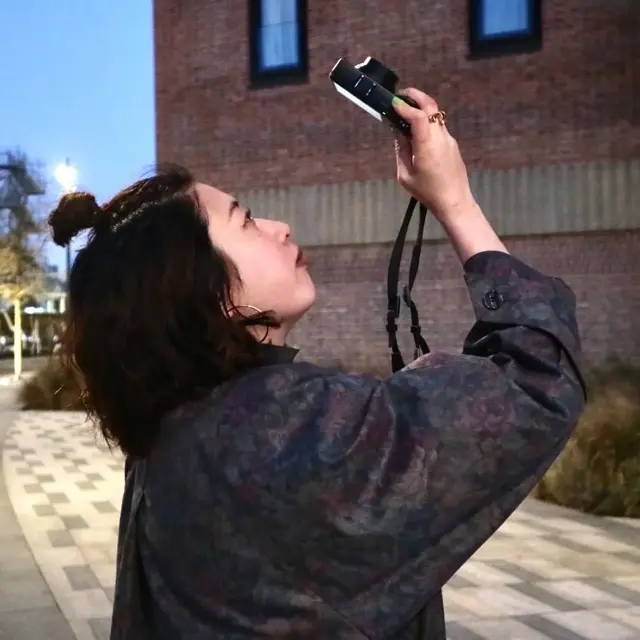
Miu Onoda
Born in Ishikawa Prefecture, she graduated from the Department of Design and Architecture at the Kyoto Institute of Technology (KIT). Currently enrolled in a double-degree master’s programme between KIT and the University of the Arts London. She pursues interdisciplinary design and research as she traverses the two cities with their distinct cultural and social contexts.
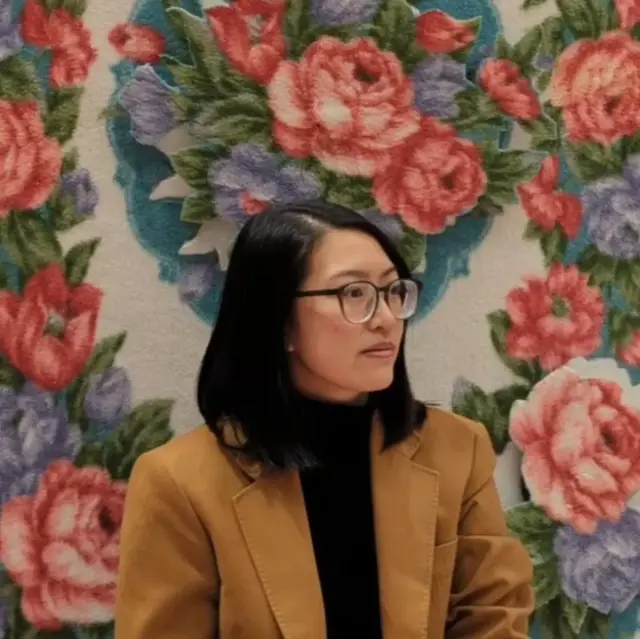
Sarah
A project manager and events coordinator with experience in STEM education, Web3 and art management among other fields. Sarah currently runs Nutshouse in Kyoto, a space hosting exhibitions and experiential events co-created with diverse individuals.